
Rated by Thousands of Satisfied Customers
Oxnard SEPTIC TANK CLEANING
Pumping Your Septic Tank: Ensuring System Health and Efficiency
Welcome to SNL Pumping, your trusted partner for dependable, professional, and budget-friendly septic tank cleaning and pumping services. Our skilled team of technicians is committed to providing fast, efficient, and cost-effective maintenance to keep your septic system running at peak performance. Contact us today to meet all your septic service needs and ensure your system remains healthy and efficient!
At snlseptictankpumping.com, we prioritize fast and efficient septic tank cleaning and pumping, easing your concerns. We understand the inconvenience that septic tanks can cause, and we are fully committed to providing top-quality service. Don’t hesitate to contact us—let us take care of all your septic tank needs with professionalism and reliability.
How Often Should My Septic Tank Be Pumped?
Regular septic tank pumping is crucial to maintaining the health and functionality of your system. The frequency at which your septic tank should be pumped depends on several factors, including tank size, household size, and water usage habits. Here are some key considerations to help you determine when it’s time to pump your septic tank:
Tank Size:
Smaller septic tanks usually require more frequent pumping, while larger tanks can go longer between pump-outs. Your system’s design and installation documents will specify the size of your tank.Household Size:
The more people in your home, the more wastewater your septic system has to process. Larger households often need more frequent pumping.Water Usage:
High water usage, such as frequent laundry loads, long showers, or regularly using a dishwasher, can increase the need for more frequent pumping.Solid Waste Accumulation:
As solid waste builds up in the septic tank, it’s important to pump it out before it reaches the halfway point. This ensures your system continues to function properly.Regular Inspections:
Having your system inspected by a professional on a regular basis can help you determine when the tank needs pumping. If the inspection reveals signs of a full tank or other issues, it’s time to pump.Local Regulations:
Some local regulations may dictate how often septic tanks must be pumped. It’s a good idea to check with your local health department or environmental agency for specific guidelines.

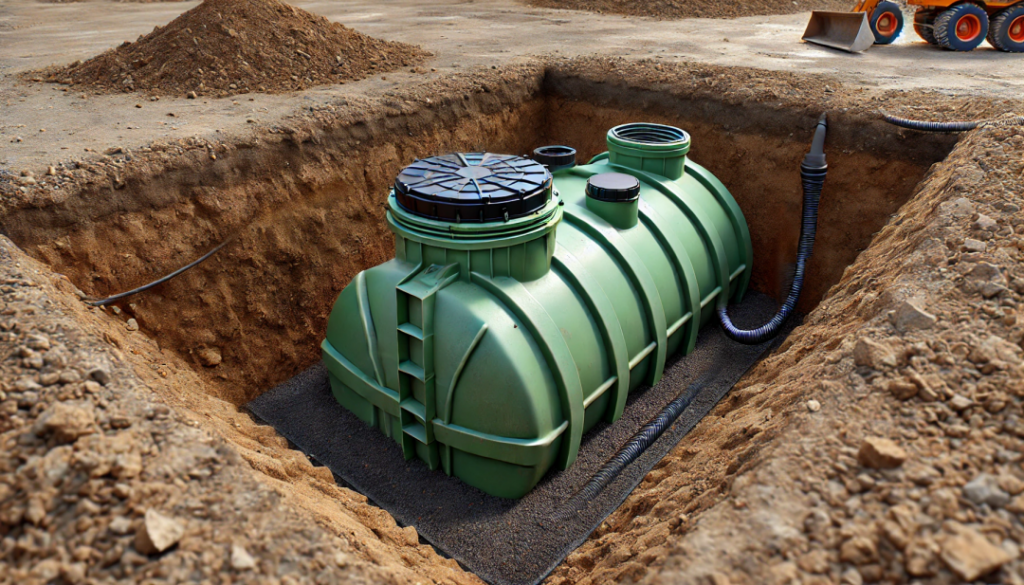
In general, septic tanks should be pumped every 3 to 5 years, but the ideal schedule depends on your unique circumstances. Neglecting regular pumping can lead to serious issues like sewage backups, drain field damage, and system failure. Be proactive in maintaining your septic system by having it pumped on time to ensure its longevity and efficiency.
What Is the Cost to Pump a Septic Tank?
The cost of pumping a septic tank involves the professional service of removing accumulated waste and sludge from the tank to maintain its efficiency. Several factors influence this cost:
Tank Size:
Larger septic tanks require more effort and cost to pump because they hold more waste. The tank size is determined by your system’s design.Local Pricing:
Prices vary by region, influenced by local labor and disposal costs. Request quotes from local service providers to compare rates.Accessibility:
If the tank is hard to access due to depth, landscaping, or other obstacles, the cost may increase due to the added effort.Frequency of Pumping:
Regularly pumped tanks may cost less to maintain because there’s less accumulated waste. Infrequent pumping often leads to more extensive and expensive jobs.Distance to Disposal Site:
The distance the provider must transport the waste for proper disposal can also impact the cost.Additional Services:
Inspections or repairs during the pumping process can add to the overall price.Emergency Services:
Emergency septic tank pumping due to system backups or failures often costs more than routine maintenance.
To get an accurate estimate, contact local septic service providers. Regular pumping helps prevent system backups, drain field damage, and costly repairs, making it an essential investment for your septic system’s health.
How to Care for Your Septic System
Proper maintenance is vital to extending the life of your septic system. Here are some tips to help:
Regular Pumping:
Schedule regular pumping as recommended by a professional to avoid overloading the system.Water Conservation:
Conserve water to ease the load on your septic system, extending the time between pump-outs.Proper Waste Disposal:
Only flush human waste and toilet paper. Avoid non-biodegradable items like wipes and feminine products, which can clog the system.Avoid Harsh Chemicals:
Limit the use of bleach and chemical drain cleaners, as they disrupt the natural bacterial balance in your tank.Regular Inspections:
Professional inspections can help identify potential problems early, preventing costly repairs.Landscaping Considerations:
Avoid planting trees or shrubs near your septic tank or drain field, as their roots can cause damage.Protect the Tank and Drain Field:
Don’t drive heavy machinery over the septic system, as it can compact the soil and damage the pipes.Educate Household Members:
Make sure everyone in your home understands how to care for the septic system and what should not be flushed.
By following these guidelines, you’ll keep your system running efficiently, reduce the need for frequent pumping, and prevent costly repairs.
Septic Tank Maintenance Costs
Several factors impact the cost of septic tank maintenance:
Frequency of Pumping:
Regularly scheduled pumping costs less in the long run, as it prevents excessive waste buildup.Tank Size:
Larger tanks cost more to pump due to the volume of waste they hold.Location:
Accessibility impacts cost. If your tank is hard to reach or obstructed by landscaping, it may require more labor, increasing the price.Service Provider Rates:
Prices vary by region, so compare quotes from local service providers.Emergency Services:
Emergency septic tank pumping often costs more than routine services, so scheduling regular maintenance can save money.
How Does a Septic Tank Work?
A septic tank is a crucial part of a home’s wastewater management system. Here’s how it works:
Wastewater Collection:
All wastewater from your home flows into the septic tank.Separation of Solids and Liquids:
Inside the tank, solids settle to the bottom while lighter substances float to the top, leaving the clear liquid (effluent) in the middle.Biological Treatment:
Beneficial bacteria break down the organic matter in the sewage, decomposing solid waste.Effluent Treatment:
The clarified effluent exits the tank into the drain field for further treatment.Drain Field:
The effluent is distributed through perforated pipes into the soil, where it is further filtered and purified before being absorbed into the groundwater.
Regular pumping is necessary to remove accumulated solid waste, preventing system failures and extending the system’s lifespan.